
HOW TO REEF
Acropora Eating Flatworms: What Every Reefer Needs to Know
May
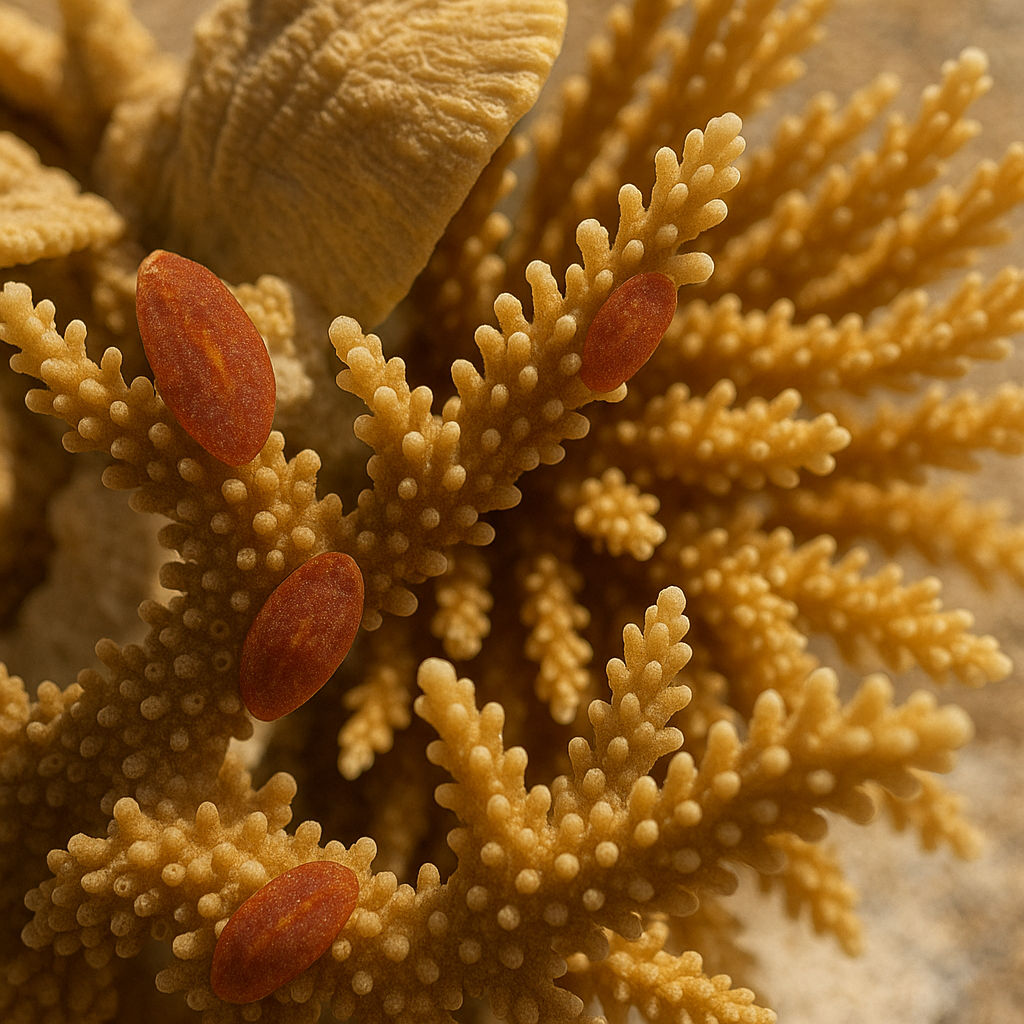
If you’ve kept Acropora long enough, you’ve probably heard whispers—sometimes panic-inducing—about Acropora Eating Flatworms (AEFW). These pests have earned a bad reputation, and for good reason. But with the right knowledge and protocols, they don’t have to be tank-destroyers.
At Desert Coral Ranch, we take pests seriously. We also take a realistic approach: if you’re in the hobby long enough, you’ll encounter pests. The key isn’t to pretend they don’t exist, but to manage them intelligently.
Why AEFW Are a Threat
- They reproduce quickly
- They lay eggs that are resistant to dips
- They target stressed or weakened colonies
- They’re hard to detect until tissue damage is visible
The most common signs? Tissue loss from the base of Acropora colonies and poor polyp extension.
Prevention: Start with Strong Coral
We only ship aquacultured coral that has been grown under our lights, in our water, fully acclimated to captive life. Every piece is encrusted and actively growing. Before shipping or shows, we dip each coral in a potassium-based bath and inspect them under magnification. This kills adult flatworms—though no dip can eliminate eggs.
The Truth About Flatworm Eggs
No known treatment kills flatworm eggs. That’s why repeated dips are essential. Eggs are most often found on large colonies, making smaller frags and mini-colonies a lower-risk option.
The Real Risk: Wild Colonies
Wild corals are often cut and sold before they adapt to captivity. Their colors look great at first—but fade quickly, and many don’t survive. We quarantine wild imports for months, sometimes over a year, before releasing them—because rushing this process causes long-term failure for the buyer.
Managing AEFW: Realistic Practices
If you get AEFW in your system, it’s not game over. You can manage them. Here’s how:
- Dips: Potassium-based dips kill adults. Repeat them to disrupt the life cycle.
- Cycle disruption: No eggs are killed by dips, so repeat dips are critical.
- Visual inspections: Use magnification to look for eggs or tissue loss.
- Sacrificial colonies: Some coral farmers keep one weaker colony to attract flatworms and isolate them.
- Quarantine: Always isolate and monitor new corals before they go in your main tank.
- Easy removal: Mount corals on DCR Reef Ceramics Coral Stands or other removable platforms. This allows for safe dips and inspection without tearing apart your aquascape.
Final Word
AEFW are manageable if you follow best practices. Buy aquacultured, encrusted corals. Use dips. Mount corals on removable stands. Keep a watchful eye. And always support your corals with solid nutrition, light, and flow.
Have questions about coral pests or our dipping protocol? Reach out—Desert Coral Ranch is here to help.
